Skip to content
Adnan Riaz.

Available · 30+ hrs/week

I take web and mobile products from spec to shipped.

Senior full-stack engineer. React, Next.js and SvelteKit in TypeScript, Node.js and PostgreSQL behind them, React Native for mobile. Remote with US startups since 2022, most recently as the lead front-end engineer for a logistics-AI company in the San Francisco Bay Area, owning features from UI to database to deployment.

  • 7+ years in production
  • Remote with US startups since 2022
  • Islamabad · UTC+5 · overlaps US & EU hours

Selected work

Five projects that show the range, explained properly.

A data platform for a US startup where I wrote most of the code, a six-year client relationship spanning web, API and mobile, two live SaaS products, and an open-source build you can read line by line. Each case study covers the context, what I personally built, and the decisions behind it.

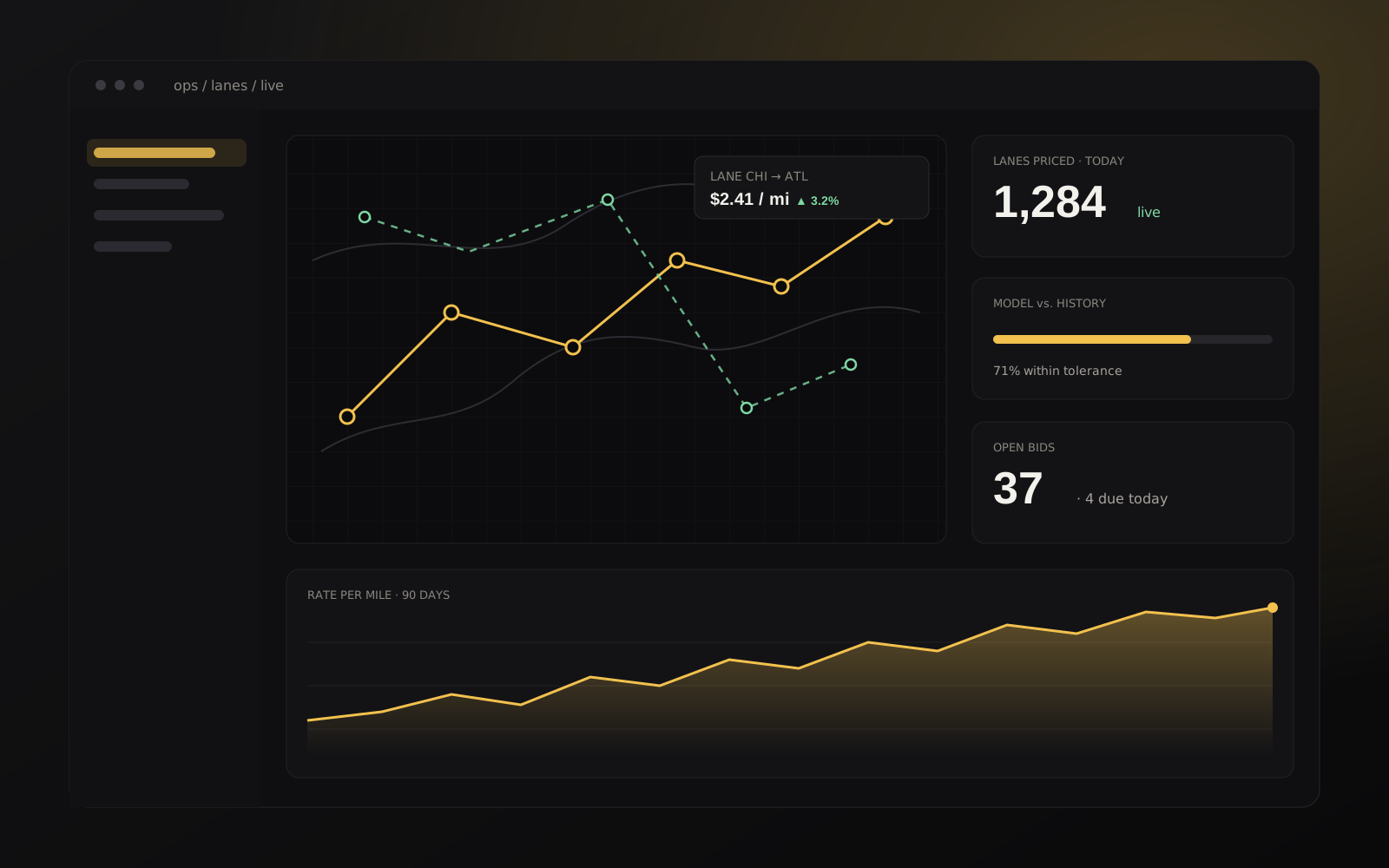
Stylised dashboard with a lane map, a rate-per-mile chart and KPI tiles

Data product · US startup · 2024 — present

EnrouteAI: the bid-response platform for truckload carriers

Primary front-end author of a large SvelteKit application where freight analysts import RFPs, price lanes, model fuel surcharges and explore the market on interactive maps. Over 1,000 commits, against a Django and PostGIS API, for a San Francisco Bay Area logistics-AI startup.

  • 1,000+ commits across 37 routes and 450+ Svelte components
  • Interactive lane maps, fuel-surcharge modelling and virtualised pricing tables
  • 55 Playwright specs, 34 Storybook stories, a governed design system and ADRs
SvelteKitTypeScriptTailwind CSSshadcn-svelteMapLibre GLPlotly
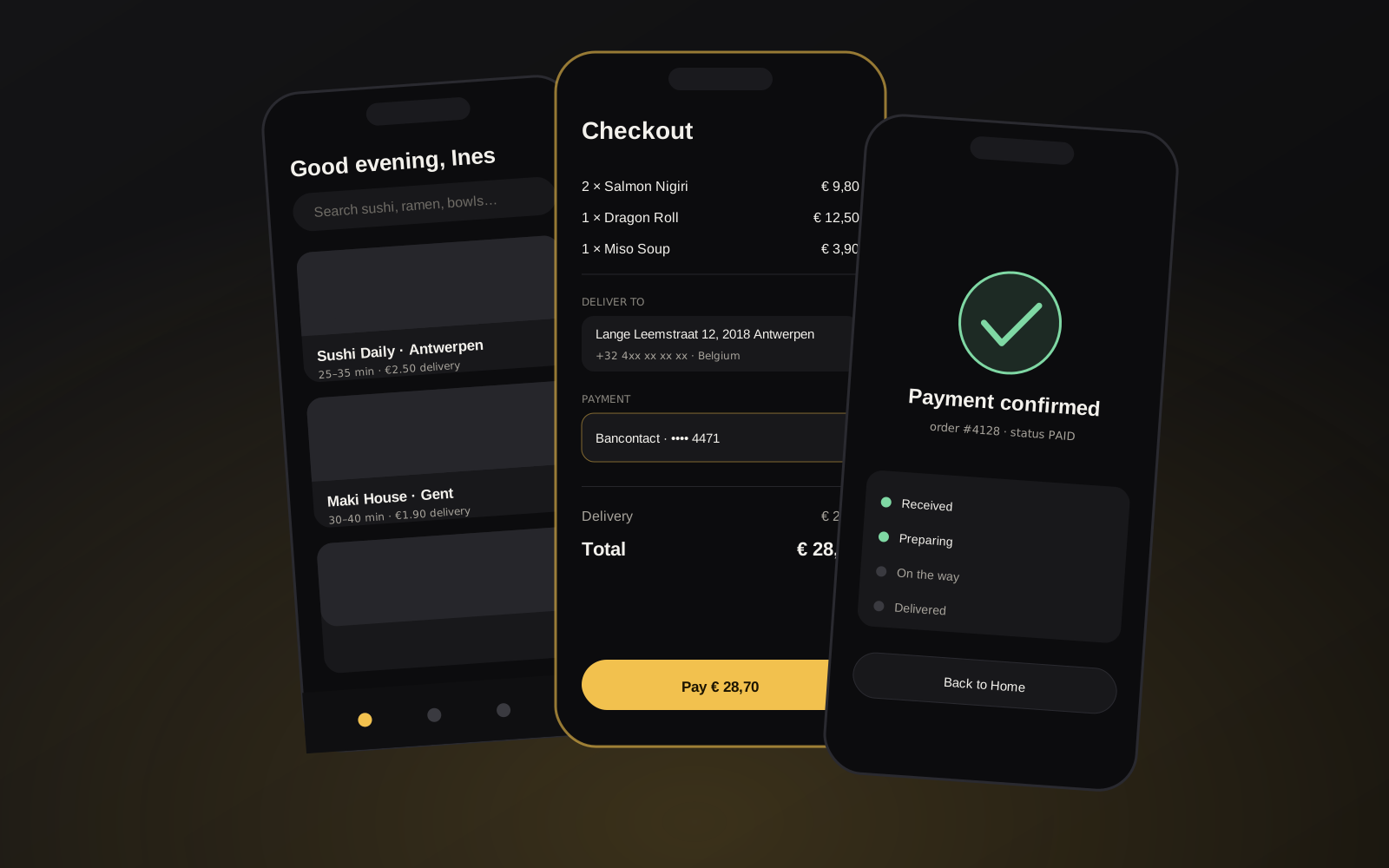
Stylised phone screens showing a restaurant list, a checkout and a payment confirmation

Platform · Belgium · 2020 — 2026

OnlineSushi: six years building one client's ordering platform

Web ordering, admin and restaurant panels, a NestJS payments backend, a Python rewrite, and finally the iOS and Android apps, for a Belgian food-ordering business I have worked with since 2020.

  • Every layer of the product over six years: web, panels, API, apps
  • Payments through Stripe, Mollie and PayPal payouts on the NestJS backend
  • Mobile apps taken through Apple App Review and Google Play readiness
Next.jsReactTypeScriptNestJSGraphQLTypeORM + PostgreSQL
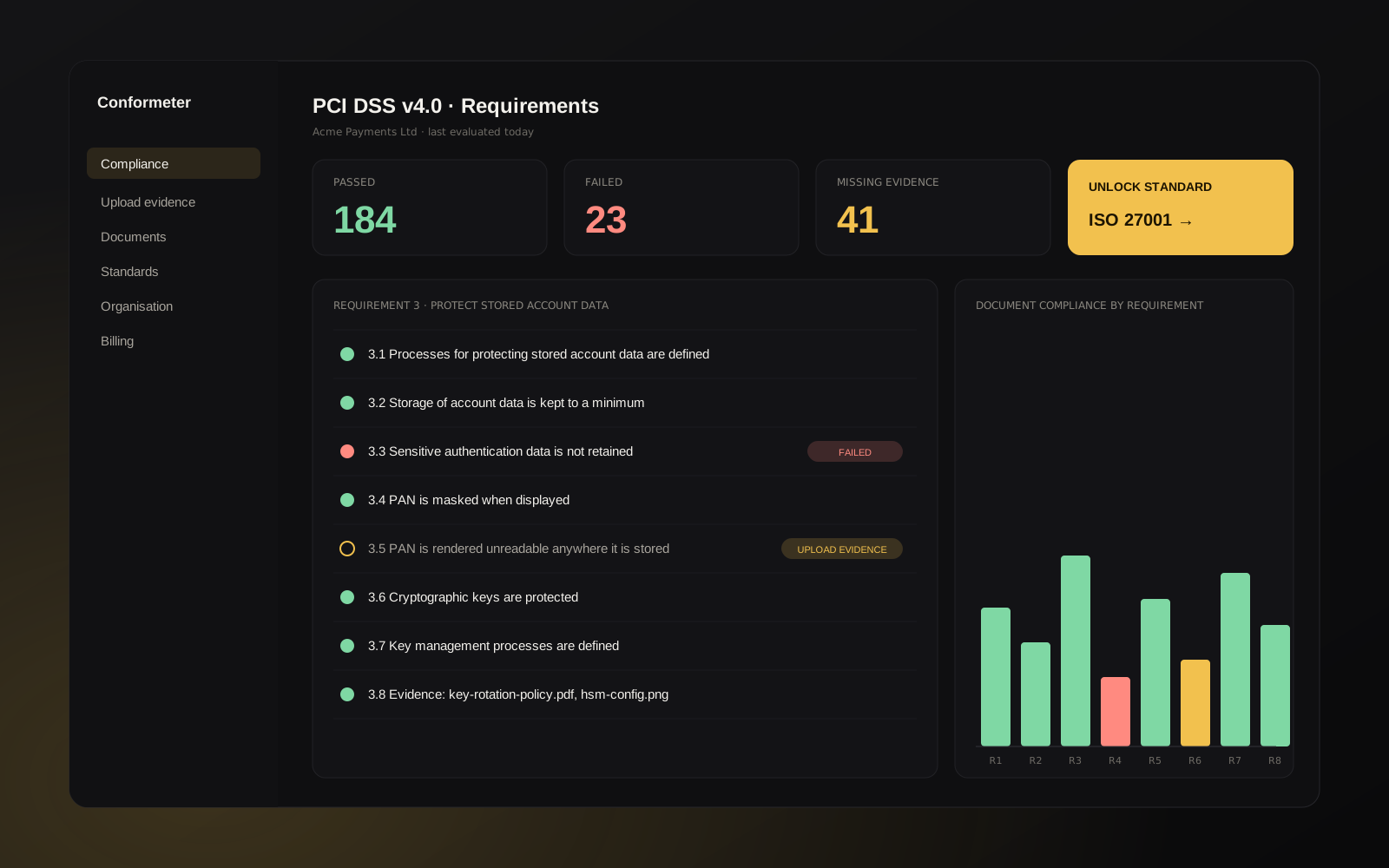
Stylised compliance dashboard with a requirements checklist, a pass-fail bar chart and an admin sidebar

SaaS · Compliance · 2023 — 2024

Conformeter: a PCI DSS compliance platform, live

The web application and marketing site for an AI-assisted compliance product. Organisations upload evidence, see which requirements pass or fail against a standard, and pay to unlock further standards. Built in Next.js, deployed and in use at app.conformeter.com.

  • Live product: evidence upload, requirement status, payments, admin
  • Admin console for organisations, users and standards
  • CI/CD from day one, migrated Netlify to Vercel without downtime
Next.jsTypeScriptReactMUI (Material UI)ApexChartsTailwind CSS
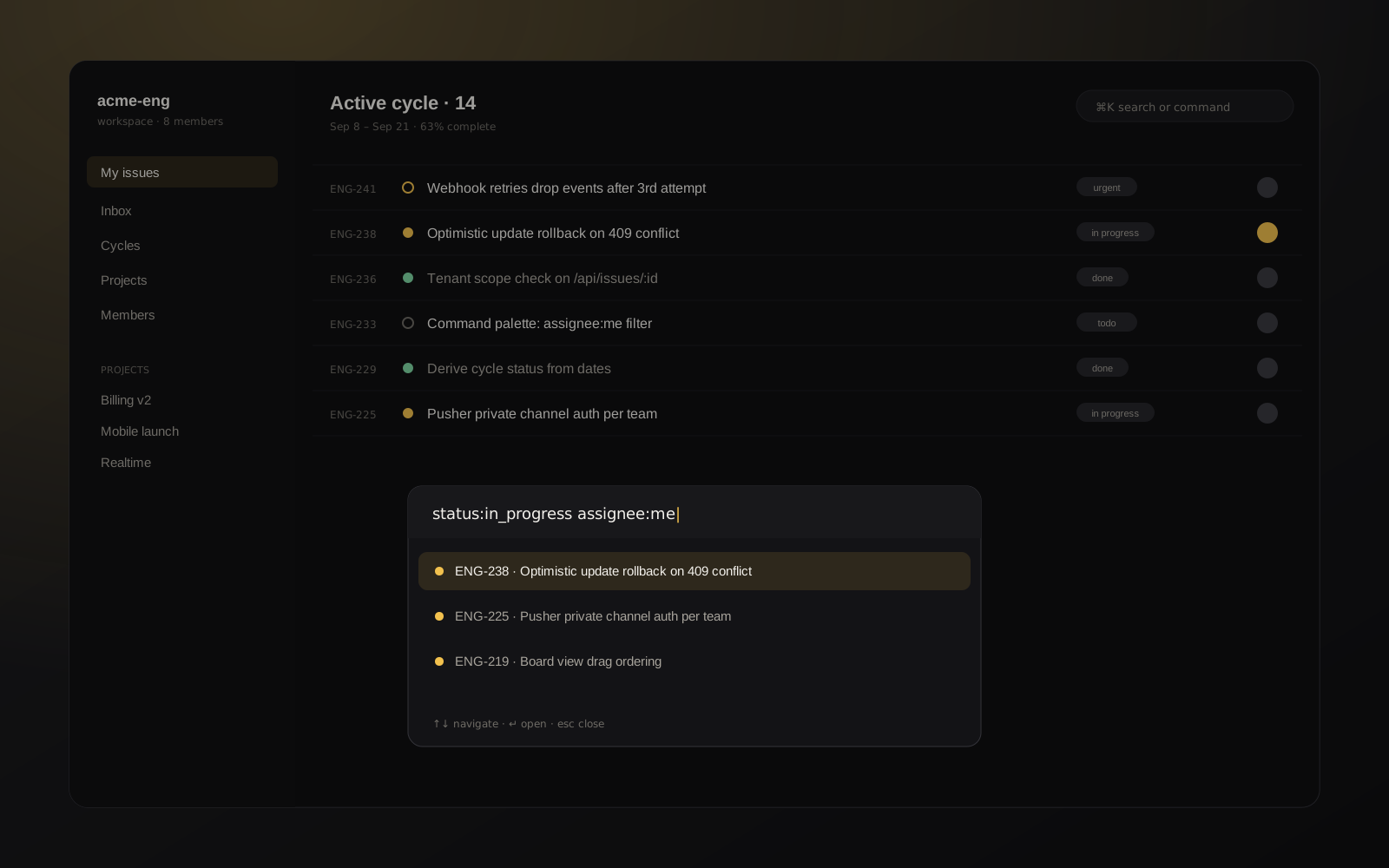
Stylised issue list with status dots, a side panel and a command palette overlay

Open source · Reference build · 2026

A Linear-style issue tracker, open source

A keyboard-first, real-time, multi-tenant issue tracker on Next.js 16, Prisma and PostgreSQL. Deployed and open source, so you can read exactly how I structure a production application today.

  • Real-time collaboration with optimistic updates and clean rollback
  • Multi-team workspaces with tenant isolation enforced on the server
  • Command palette with structured queries, fully keyboard-driven
Next.js 16 (App Router)TypeScriptPostgreSQL (Neon)Prisma 7Auth.js v5Pusher
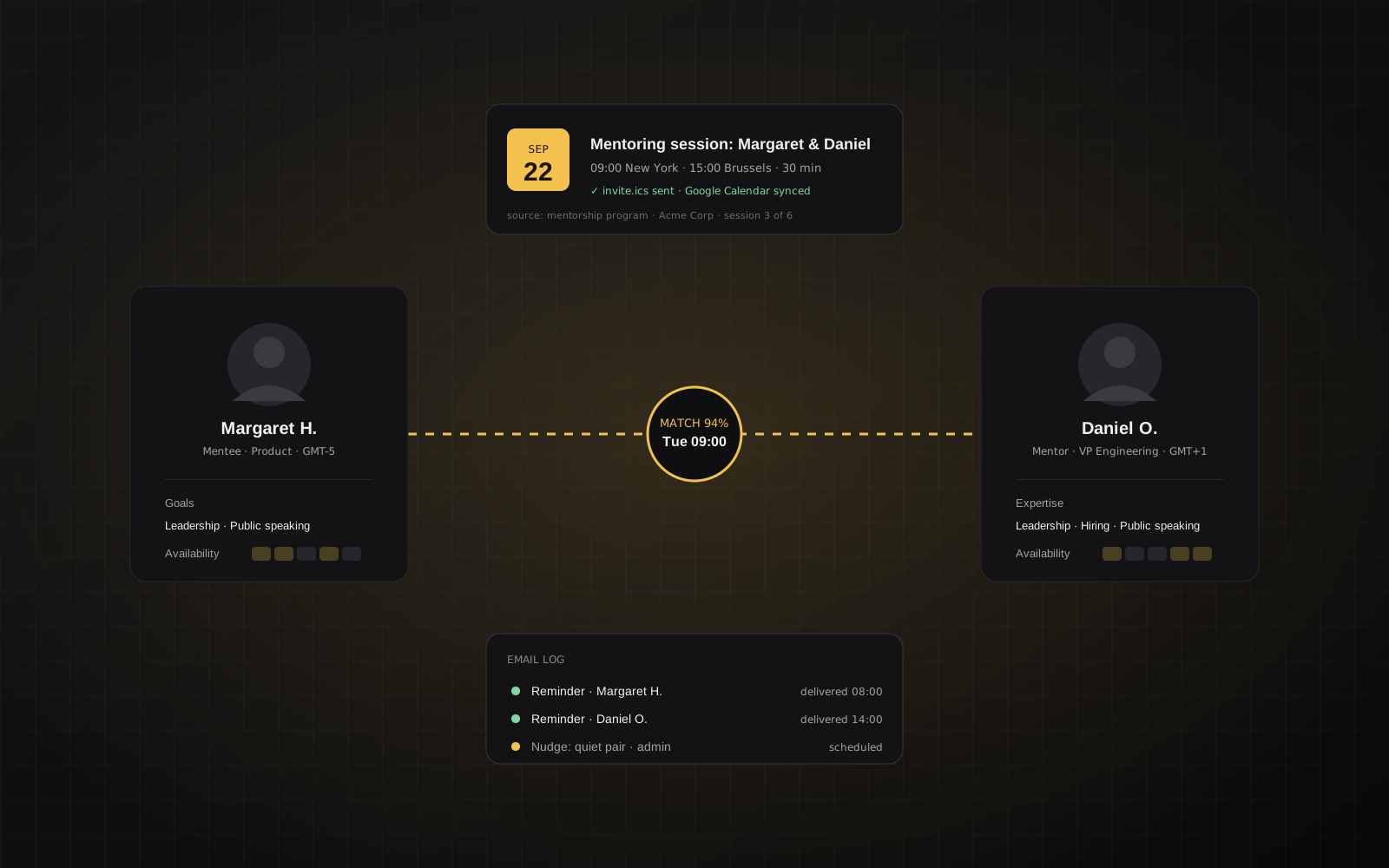
Stylised mentor and mentee profile cards being matched, with a session calendar invite and an email nudge log

SaaS · HR and community · 2022 — 2023

LetsConnectIn: mentorship programs that actually happen

A mentorship and networking platform for organisations: mentors and mentees are matched on shared goals, admins review pairs, automatic nudges keep sessions happening, and a networking roulette and water-cooler groups round it out. I was the primary engineer on the Next.js product for a year, plus its sister app Aagekya.

  • Scheduled matching: networking roulette and water-cooler groups with calendar invites
  • Organisations, member and public profiles, pricing and onboarding
  • 99 of the last 100 front-end commits, plus the Aagekya sister product
Next.jsTypeScriptReactAnt DesignNextAuthExpress (custom server)

Also built

Bokia, a bookkeeping, inventory and point-of-sale app for small businesses with multi-currency and barcode scanning (React, React Native, 2022 to 2024); OpenClick, a project-tracking UI with list, board, calendar and Gantt views (React, Vite); Prolingo, a desktop app that rewrites messages into natural English with a fully local LLM (Tauri, Rust, llama.cpp); and PG Viewer, an open-source PostgreSQL browser. Client work under NDA is walked through on a call.

Ask about similar work

What I build

Three kinds of work. One engineer, no handoff.

Every engagement ends with something deployed, documented, and ready for whoever touches it next.

01

Web applications and dashboards

Next.js, React and SvelteKit products in TypeScript: customer-facing SaaS features, staff-facing operations tools, and data-heavy dashboards with maps and charts. Built so the next engineer can read them.

  • Maps and charts over large datasets (MapLibre, Plotly, D3)
  • Authentication, roles and multi-tenant data
  • Virtualised tables, URL-persisted state, e2e tests that hold
  • Vercel deployments with a preview URL per branch
02

APIs and backend services

Node.js and NestJS services on PostgreSQL, REST or GraphQL. The unglamorous parts a real product depends on: integrations, webhooks, scheduled jobs, and a schema that will still make sense in a year.

  • REST and GraphQL API design and documentation
  • Third-party integrations, webhooks, cron and queues
  • Schema design, migrations and query performance
  • Python/Django when the codebase is already Python
03

Mobile apps with React Native

iOS and Android from one Expo codebase, sharing the API with your web app. Taken all the way through App Store and Google Play review, not just to a TestFlight build.

  • Auth, payments, push notifications, localisation
  • Store submission, review fixes, release management
  • React Native New Architecture and Expo SDK upgrades
  • Shared TypeScript types with the backend

How an engagement runs

Written down, built in the open, handed over properly.

Seven years of remote work with small teams produced a simple routine. It exists so you always know what is happening without having to ask.

  1. 01

    Scope in writing

    A short call, then a one-page written scope: what we are building, what is out, milestones with rough effort, and the open questions. You approve it before any code.

  2. 02

    Build in the open

    Every branch gets a preview URL you can click through. You get a written update two or three times a week, and you never have to ask where things stand.

  3. 03

    Ship and verify

    Tests on the logic that matters, a production deployment, monitoring, and for mobile, the store submission itself. Done means live and checked, not merged.

  4. 04

    Hand over properly

    A README that actually works, environment and deploy notes, and a recorded walkthrough. Whoever touches the code next starts from a map, not a mystery.

About

Muhammad Adnan Riaz. Islamabad, working worldwide.

I have spent seven-plus years building production software, first for a public hospital and a local agency, then since 2022 with US startups, most recently AI companies in the San Francisco Bay Area. The common thread is that I am usually the one engineer responsible for the whole feature: schema, API, interface, deployment, and the documentation that lets the next person pick it up.

I write things down. Scope before code, short written updates while building, and code that reads like it was meant to be read. Remote work with US teams solved the timezone question a long time ago: I keep overlap hours, answer in writing, and do not need a meeting to unblock myself.

If you need a senior engineer who can take a product from a spec to shipped without a handoff, send me the problem and I will tell you how I would approach it.

  1. 2024 — present

    Lead front-end engineer, Software Engineering Consultant

    EnrouteAI · San Francisco Bay Area (remote)

    Primary author of the bid-response platform for truckload carriers: 1,000+ commits in SvelteKit and TypeScript with maps, pricing tables, fuel modelling, e2e tests and a governed design system. First worked with the founder on internal tooling in 2022.

  2. 2020 — present

    Full-stack engineer, sole mobile engineer

    OnlineSushi · Belgium (contract)

    Storefront, admin and restaurant panels, NestJS payments backend, a Python rewrite, and the iOS and Android apps, across six years with one client.

  3. 2023 — 2024

    Front-end lead

    Conformeter (contract)

    PCI DSS compliance SaaS in Next.js: dashboard, admin console, payments, CI/CD. Live at app.conformeter.com.

  4. 2022 — 2023

    Primary engineer

    LetsConnectIn and Aagekya (contract)

    Next.js mentorship and networking platform: goal-based matching, roulette and water-cooler scheduling, calendar invites and email nudges. Live at letsconnectin.com.

  5. Earlier

    Full Stack Developer · React Native Developer

    Morosoft Technologies · Rawalpindi Institute of Cardiology

    Web applications in React and Node.js for agency clients, and cross-platform mobile apps for a public hospital.

Before you write

The questions clients usually ask.

How do we start?

Send a few lines through the form or on Upwork: what it is, where it stands today, and when you need it. I reply within a business day with questions or a suggested first step. For most projects that is a short paid scoping or assessment task, so you see how I work before committing to anything larger.

What kinds of projects fit best?

New features on an existing Next.js, React, SvelteKit or Node product; internal tools and dashboards, especially data-heavy ones with maps, tables and charts; APIs, payments and integrations; React Native apps that need to reach the stores; and codebases that need to be taken over and finished. If it is a one-hour WordPress tweak or a pure design job, I am the wrong person and will say so.

Do you work on codebases you did not write?

Yes, often. The first deliverable is always a written map: what works, what is half-built, what is broken, and which deployed build matches which branch and database. Then we agree a bounded first fix so you can judge the work before a longer plan.

How do you communicate across time zones?

In writing, by default. I have worked with US teams since 2022 and keep daily overlap hours for calls when they are needed. You get short written progress updates two or three times a week and a preview URL for anything visual.

Who owns the code?

You do, from the first commit. Work happens in your repository and your accounts wherever possible, so there is nothing to migrate at the end. I am happy to sign an NDA before seeing anything sensitive.

Hourly or fixed price?

Either. Well-defined milestones can be fixed price. Ongoing product work is usually hourly with a weekly cap you set. Rates and terms are discussed once I understand the scope, and contracts run through Upwork or a direct agreement, whichever you prefer.

Contact

Send me the problem. I will tell you how I would approach it.

A new product, a feature that needs finishing, or a codebase nobody wants to touch. A few lines is enough. You get a straight answer on scope, approach and timeline, usually within a day.

Prefer to hire through Upwork?

Contracts, milestones and payment protection are all handled there. Message me from my profile and mention this site.

No newsletter, no automation. Your message goes straight to me.